
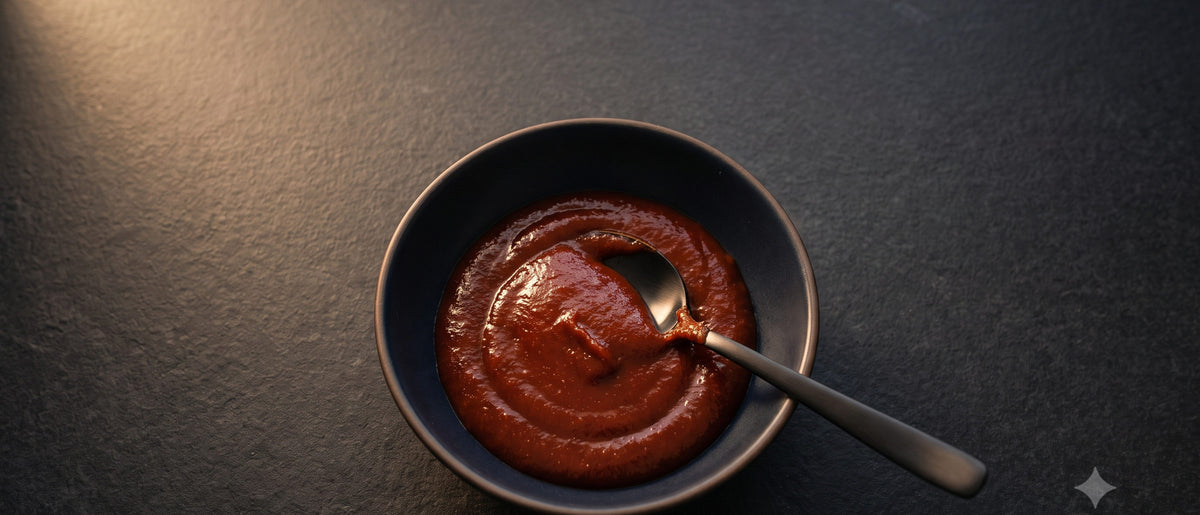
Cuisine platform 02 of 05Launches second
Korean
Gochujang, doenjang, gochugaru and the fermented backbone of the Korean pantry. Our second platform, arriving after Thai.
- Ingredient entries
- 7
- Recipes
- With the launch
- Products
- 6
- Producers
- 0 signed
Tell me when it lands
One email when this shelf opens. Not a newsletter — that is a separate, labelled box in the footer.
Fermentation is not a step in Korean cooking. It is the ingredient.
Essential ingredients
-
Korea Fermented soybean paste
Doenjang
Intensely savoury, earthy and salty, funkier and more rustic than Japanese miso.
Entry live 2 lines on the shelf
-
Korea Dried chilli (flakes)
Gochugaru
Fruity, slightly sweet, sun-dried warmth with a gentle heat that builds rather than bites.
Entry live 2 lines on the shelf
-
Korea Fermented chilli paste
Gochujang
Sweet, savoury and slowly hot, with the rounded funk of fermentation; it tastes cooked even when raw.
Entry live 1 line on the shelf
-
Korea Fermented condiment
Korean soy sauce
Salty and savoury; soup soy sauce (guk-ganjang) is lighter in colour, saltier and cleaner, while all-purpose (jin-gan...
Entry live 2 lines on the shelf
-
East Asia Herb
Perilla leaf
Minty, anise and cumin notes on a green, grassy base; nothing else tastes like it.
Entry live Entry only
-
Korea Condiment (paste)
Ssamjang
Savoury and mildly spicy with sesame nuttiness and a little sweetness; made to be eaten raw.
Entry live 1 line on the shelf
Shop by category
- Expected Curry pastes
-
Chilli pastes 1 line
-
Sauces & marinades 2 lines
-
Condiments, dips & spreads 2 lines
-
Dry spices & chillies 1 line
- Expected Noodles & rice
- Expected Pantry
On the shelf
-
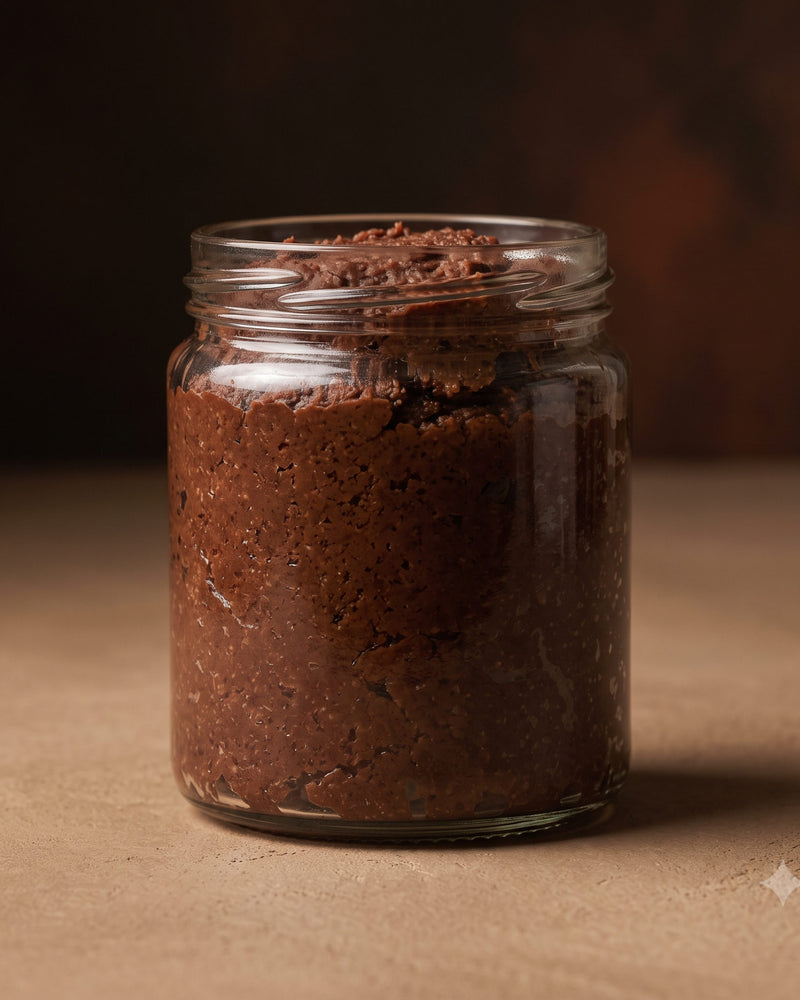
South Korea
Ssamjang (Korean Dipping Paste)
195 g Jar1 kg Tub
Veg195 g Jar
- Vegetarian
Rs. 345.00
MRP inclusive of all taxes
Trade price on approval
Coming soon
-

South Korea
Korean Soy Sauce (Jin-ganjang)
300 ml Bottle1.8 L Bottle
Veg300 ml Bottle
- Vegetarian
- Vegan
Rs. 245.00
MRP inclusive of all taxes
Trade price on approval
Coming soon
-
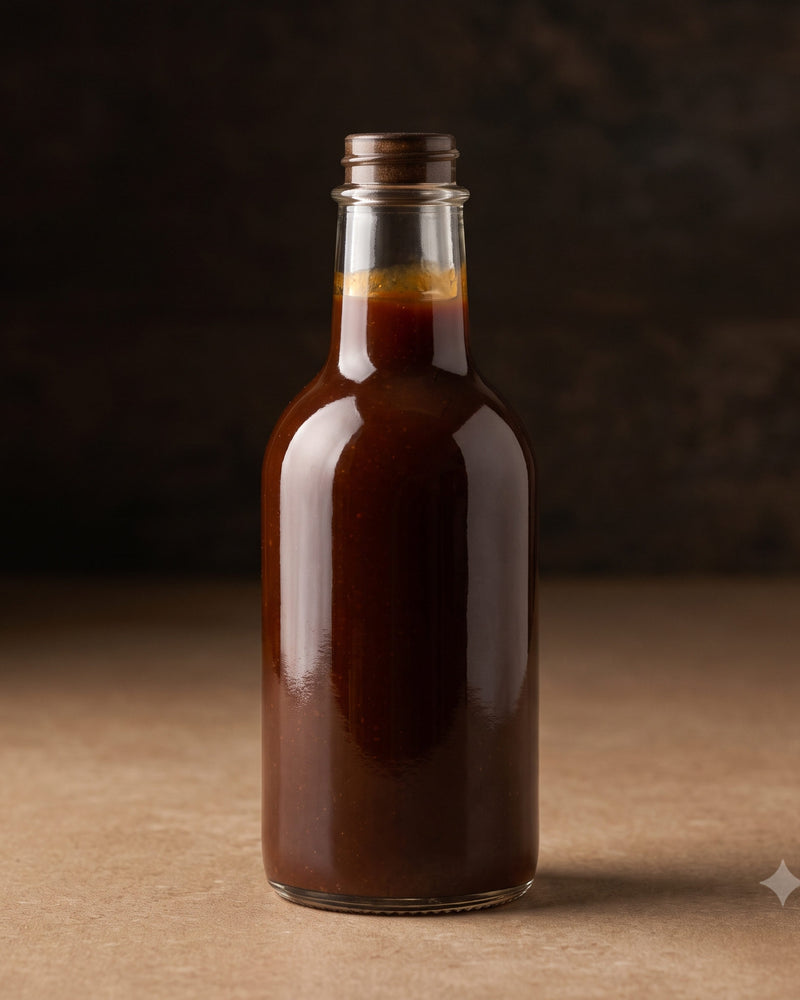
South Korea
Korean BBQ Sauce (Bulgogi Marinade)
300 ml Bottle1.8 L Bottle
Veg300 ml Bottle
- Vegetarian
Rs. 295.00
MRP inclusive of all taxes
Trade price on approval
Coming soon
-
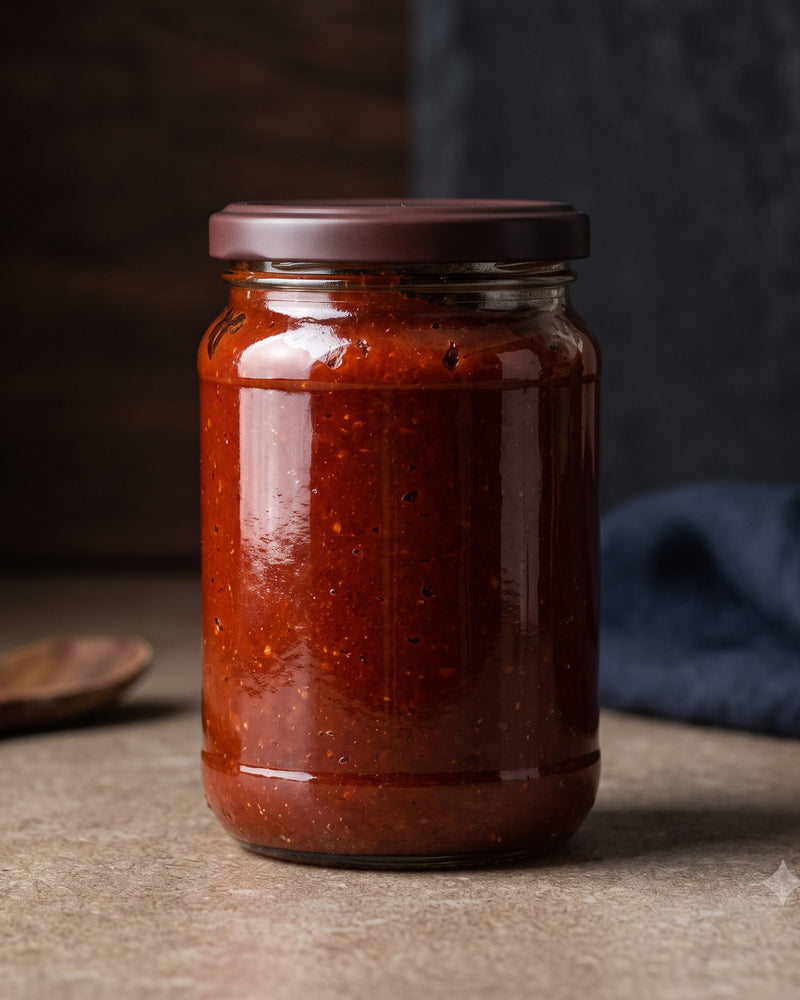
South Korea
Gochujang (Korean Red Chilli Paste)
195 g Jar1 kg Tub
Veg195 g Jar
- Vegetarian
- Vegan
Rs. 345.00
MRP inclusive of all taxes
Trade price on approval
Coming soon
-
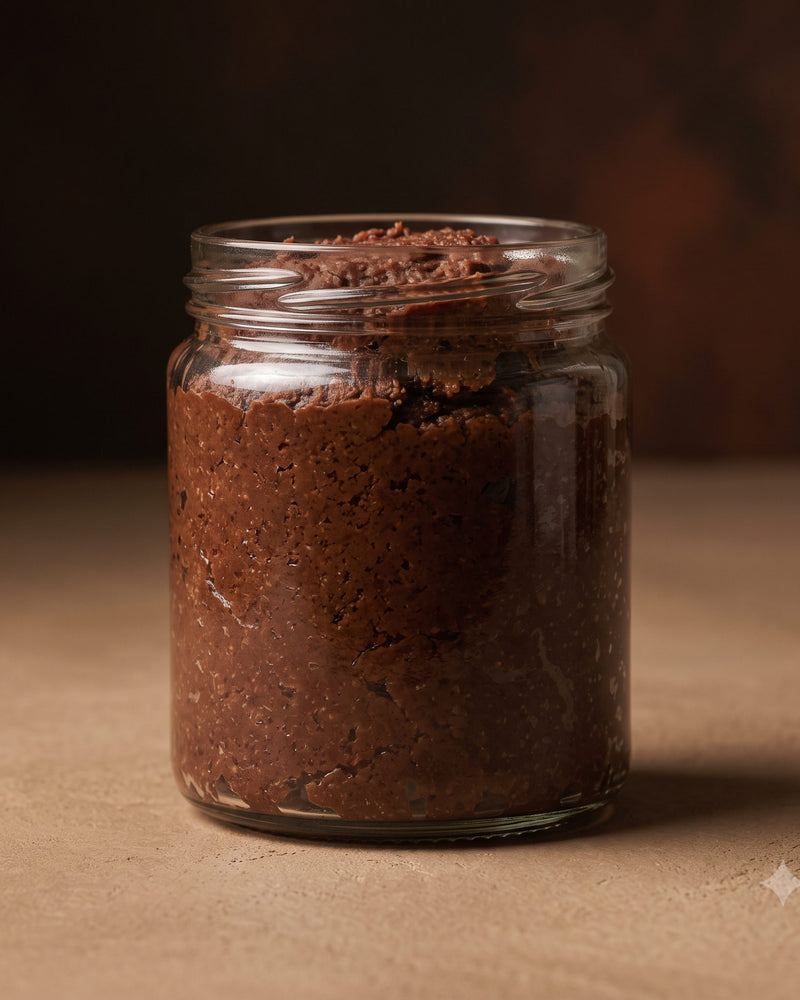
South Korea
Doenjang (Korean Soybean Paste)
1 kg Tub5 kg Pail
Veg1 kg Tub
- Vegetarian
- Vegan
Rs. 395.00
MRP inclusive of all taxes
Trade price on approval
Coming soon
-
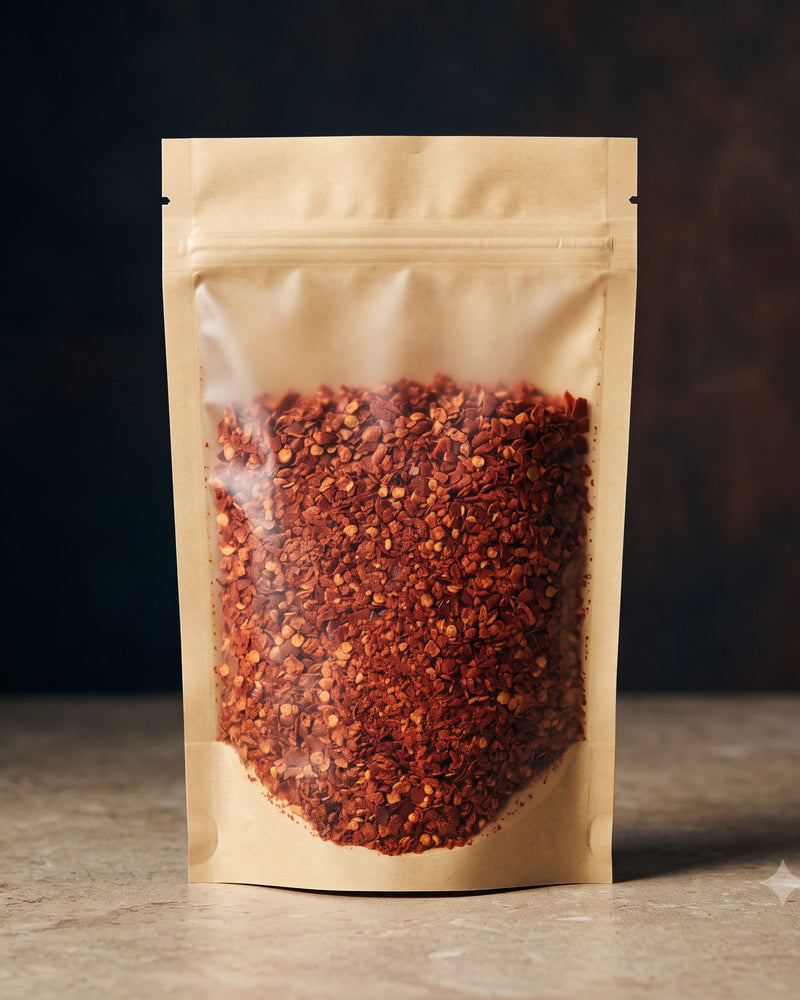
South Korea
Gochugaru (Korean Chilli Flakes)
200 g Pouch1 kg Bag
Veg200 g Pouch
- Vegetarian
- Vegan
Rs. 325.00
MRP inclusive of all taxes
Trade price on approval
Coming soon
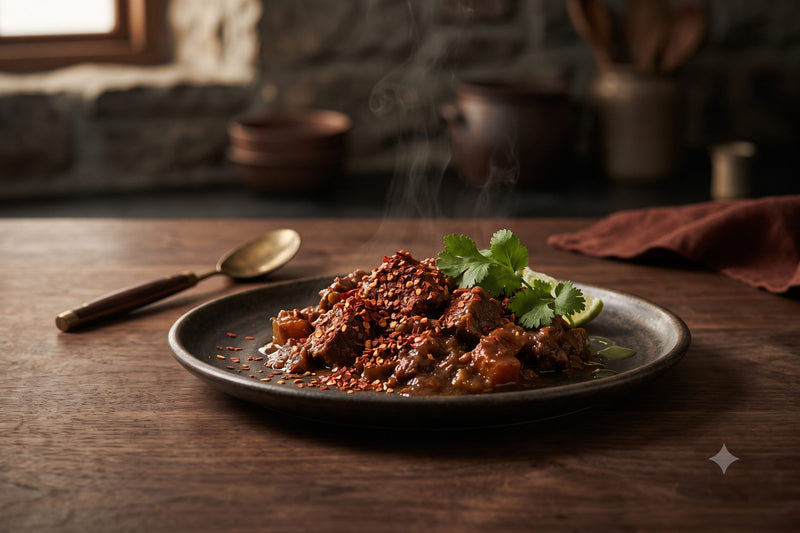
Korean launches second, after Thai.
We are in discussion with Korean producers. No producer name appears here until an agreement is signed.
The entries above are complete and readable now — that is deliberate. Understanding doenjang is useful whether or not we can sell you any yet.
Guides and recipes
-
Recipes publish with the platform
A recipe that calls for a line we cannot supply is an advertisement for a competitor. Korean recipes go live the week the shelf does.
Doenjang and miso are not the same thing
Producers for this cuisine
Partners for this cuisine coming soon
We are in discussion with producers. Until an agreement is signed, our lines are imported under our own licence, and the producer behind each one is named here the moment it is.