Every Thai curry starts with a paste, and every paste is a variation on one idea: chillies pounded with aromatics into a concentrate that is fried in coconut cream before liquid goes in. Learn the four main pastes and you can cook most of the Thai canon.
Red (gaeng phed)
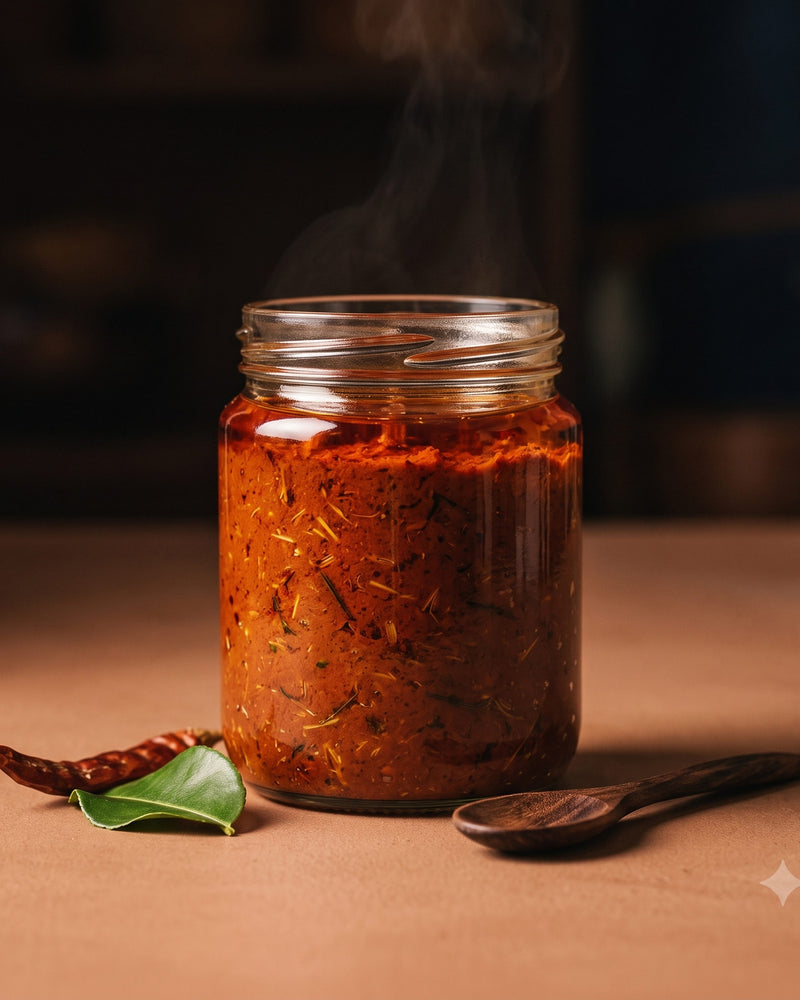
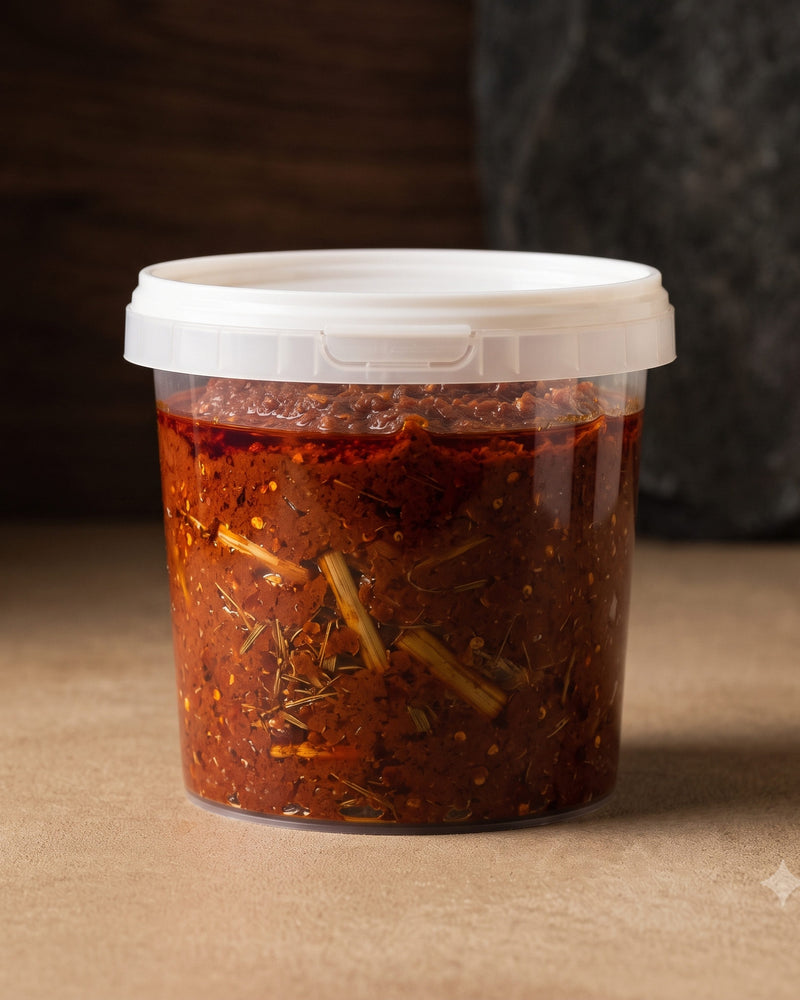
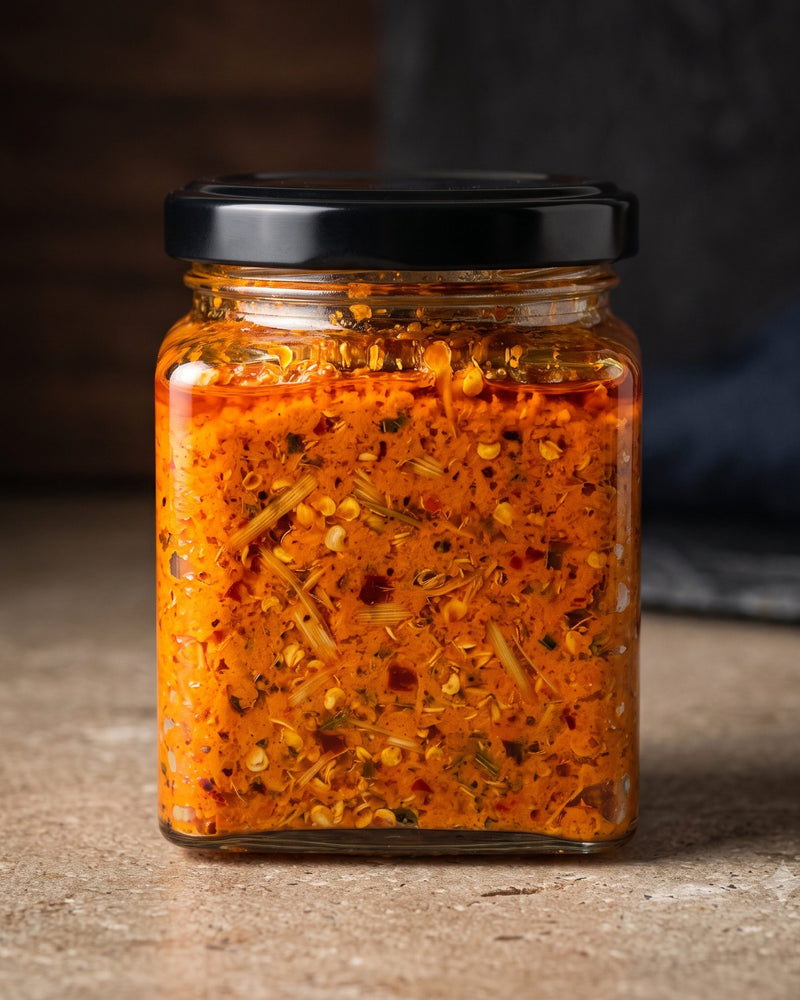
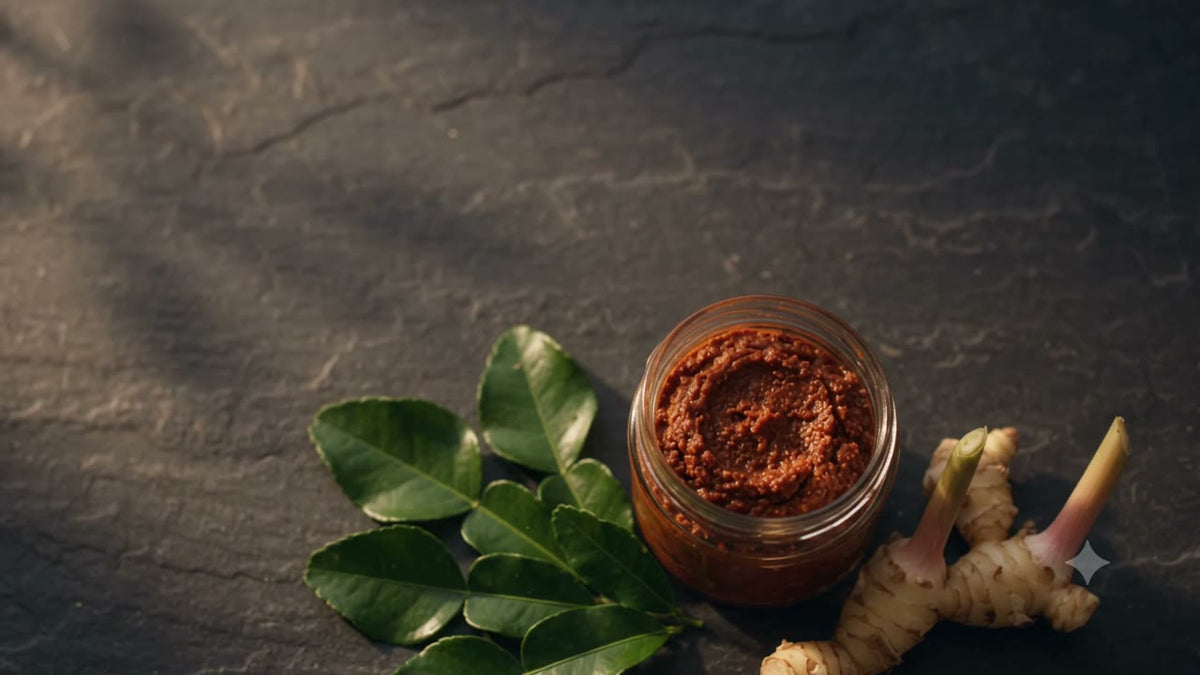
Dried red spur chillies with galangal, lemongrass, kaffir lime zest, coriander root, garlic, shallot and white pepper. Medium heat, deep colour, the most versatile of the four. Use it for chicken, duck, pork, prawns, tofu and pumpkin, and as the base for panang.
Green (gaeng keow wan)
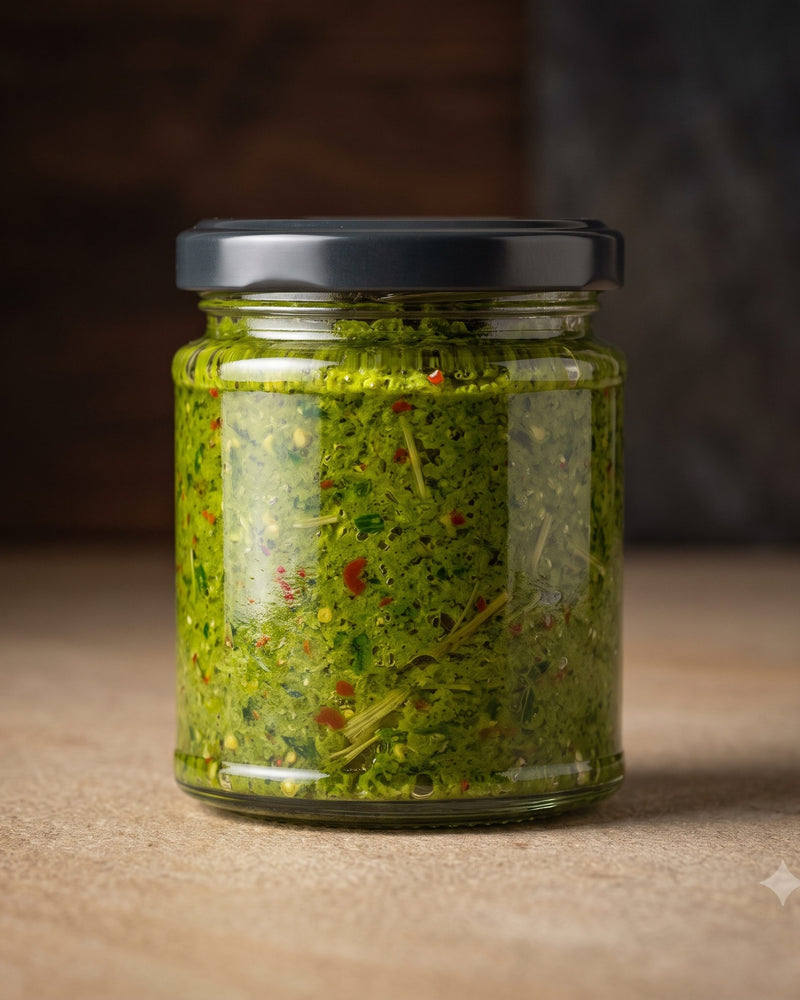
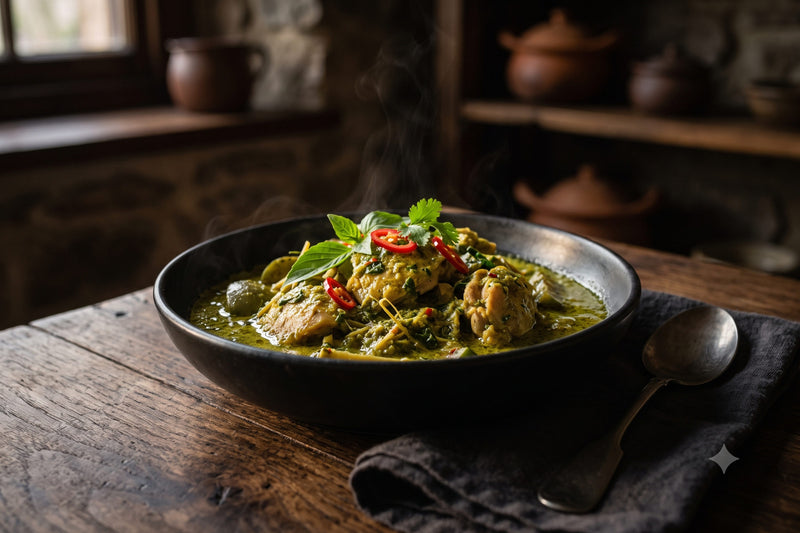
Fresh green bird's-eye chillies instead of dried, so it is hotter, sharper and greener. Classic with chicken, aubergine, fish balls and Thai basil. Because it is fresh-chilli based it tastes brightest when cooked briefly.
Massaman
The mild, spiced paste of the Muslim south: dried chilli with cinnamon, cardamom, cumin, cloves and star anise. Slow-cooked with potato, peanuts and beef, lamb or jackfruit. The one to start with for anyone nervous of heat.
Panang
Red paste with peanuts ground in, cooked thick with less liquid and finished with kaffir lime threads. Richer and sweeter than red curry; usually beef or chicken.
How to cook with any of them
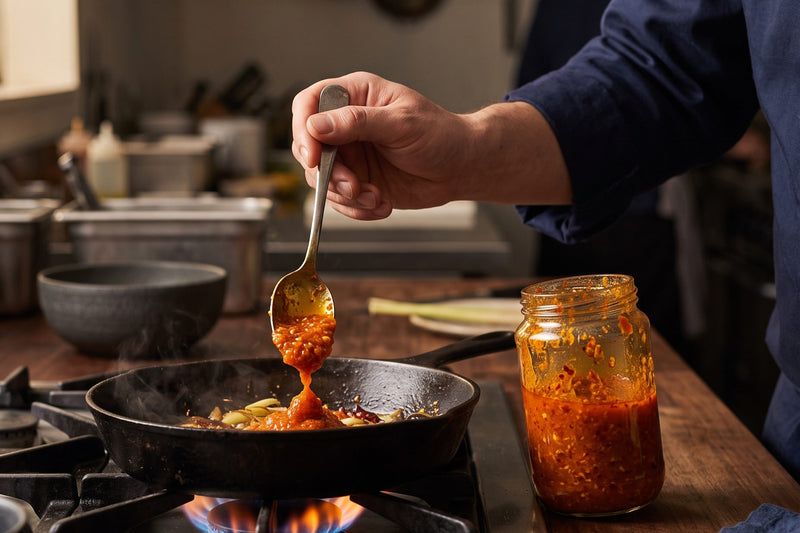
Open the coconut milk without shaking and spoon the thick cream into a hot pan. Cook until the oil separates. Add the paste and fry two minutes until it smells toasted and the oil takes its colour. Only then add protein and the thin milk. Season at the end with palm sugar and fish sauce or soy, and taste: Thai food is balanced, not just hot.
How much to use
Two to three tablespoons per 400 ml of coconut milk serves four. A 195 g jar makes four to five curries; the 5 kg pail is what a restaurant uses across a week of service.
Vegetarian and vegan
Traditional pastes contain shrimp paste. Ours are checked against the label and tagged vegan only when the producer's declaration confirms it; the tom yum paste, which contains shrimp and fish sauce, is clearly marked non-vegetarian.